Hyperbaric oxygen therapy reviews
Hyperbaric therapy is real.
Not every chamber is.
Hyperbaric oxygen therapy reviews, where we look at the studies and the chambers to help you decide if hyperbaric is something you should be leaning into.
The research
What the evidence actually supports.
Strong in some areas, mixed in others, early in the rest. We say which is which, and link every study.
Diabetic foot ulcers
The deepest evidence base. Reviews generally support HBOT as an add-on to standard wound care, with open questions about how long the benefit lasts.
Most studiedLate radiation tissue injury
A recognized use. The Cochrane review reports low-to-moderate certainty evidence of benefit for head and neck bone and soft tissue injury.
Cochrane-reviewedMild TBI and post-concussion symptoms
Some trials report symptom and cognitive gains at 1.5 ATA. A large sham-controlled military trial did not separate treatment from sham. Pressure and dose seem to matter.
MixedPost-COVID condition
A sham-controlled randomized trial reported improvement in long-COVID symptoms. Promising, and still early.
EarlyHealthy aging
Biomarker findings, such as telomere length, are interesting. They are not yet proof of better health outcomes.
EarlyPTSD
A pragmatic, double-blind randomized trial is registered. We are tracking it and will report when results exist.
In trialsAcute ischemic stroke
The Cochrane review found the evidence insufficient, which is a good reminder that hyperbaric oxygen is not a cure-all.
Insufficient evidenceRead the sources
Efficacy of hyperbaric oxygen therapy for diabetic foot ulcer: a systematic review and meta-analysis of controlled clinical trials
Concludes HBOT is an effective adjunct treatment for diabetic foot ulcers.
Read the studyHyperbaric oxygen therapy for nonischemic diabetic ulcers: a systematic review
Seven studies, only two of them randomized trials, so this narrower subgroup is thinly supported.
Read the studyHyperbaric oxygen therapy for late radiation tissue injury
Reports low- to moderate-certainty evidence that HBOT improves outcomes for late radiation injury of head and neck bone and soft tissue, and some low-certainty evidence of complete resolution or significant improvement.
Read the studyHyperbaric oxygen therapy can improve post-concussion syndrome years after mild traumatic brain injury: a randomized prospective trial
56 patients, 1 to 5 years after mild TBI with lingering post-concussion syndrome. The trial reported improvement with HBOT.
Read the studySystematic review and dosage analysis: HBOT efficacy in mild traumatic brain injury persistent postconcussion syndrome
Reports that multiple randomized and controlled studies showed statistically significant symptom and cognitive improvement with HBOT at 1.5 ATA.
Read the studyThe audit
We read the spec sheet so you don't have to.
Most buyers compare brochures. We compare a manufacturer's own pages against each other, and against the FDA record.
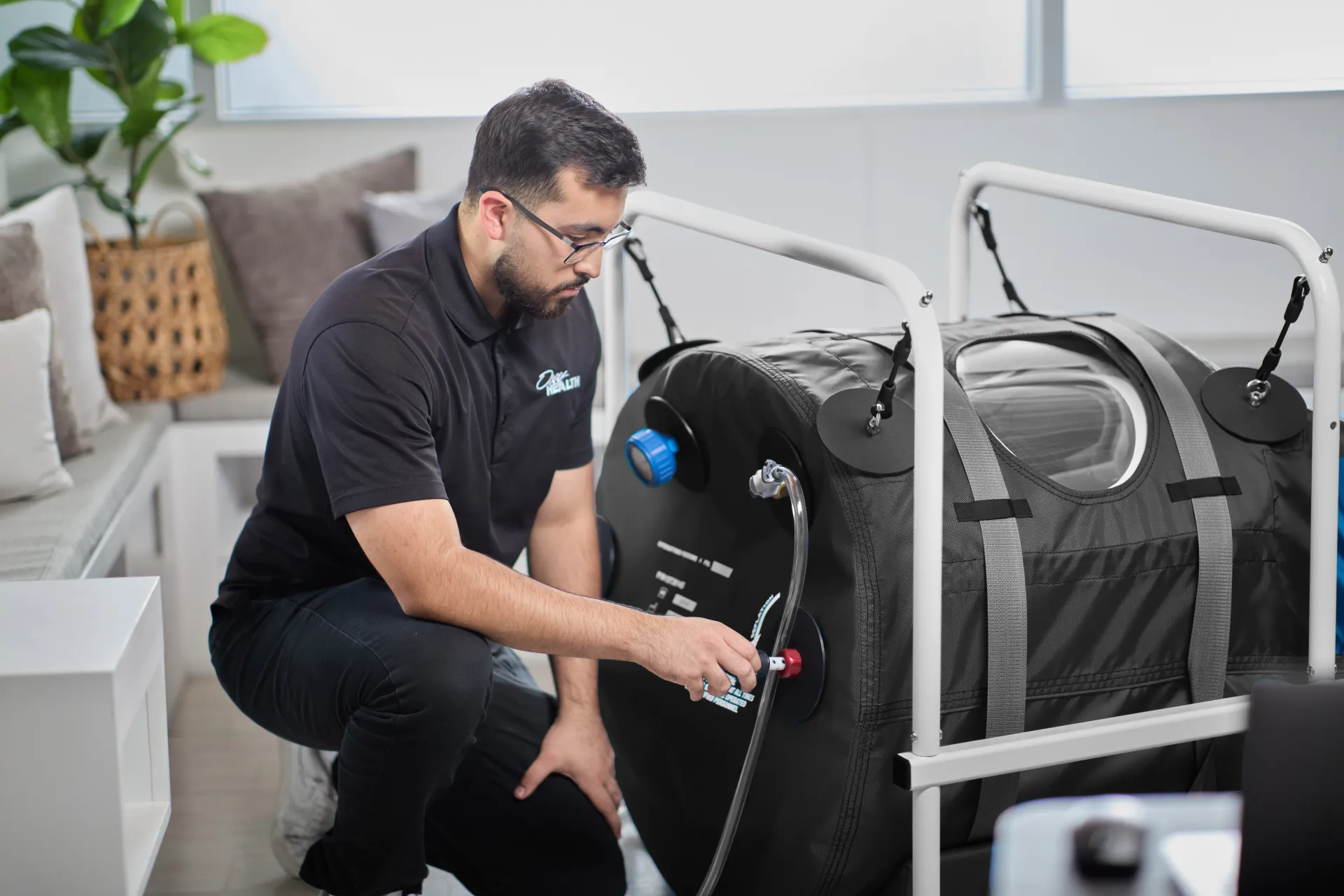
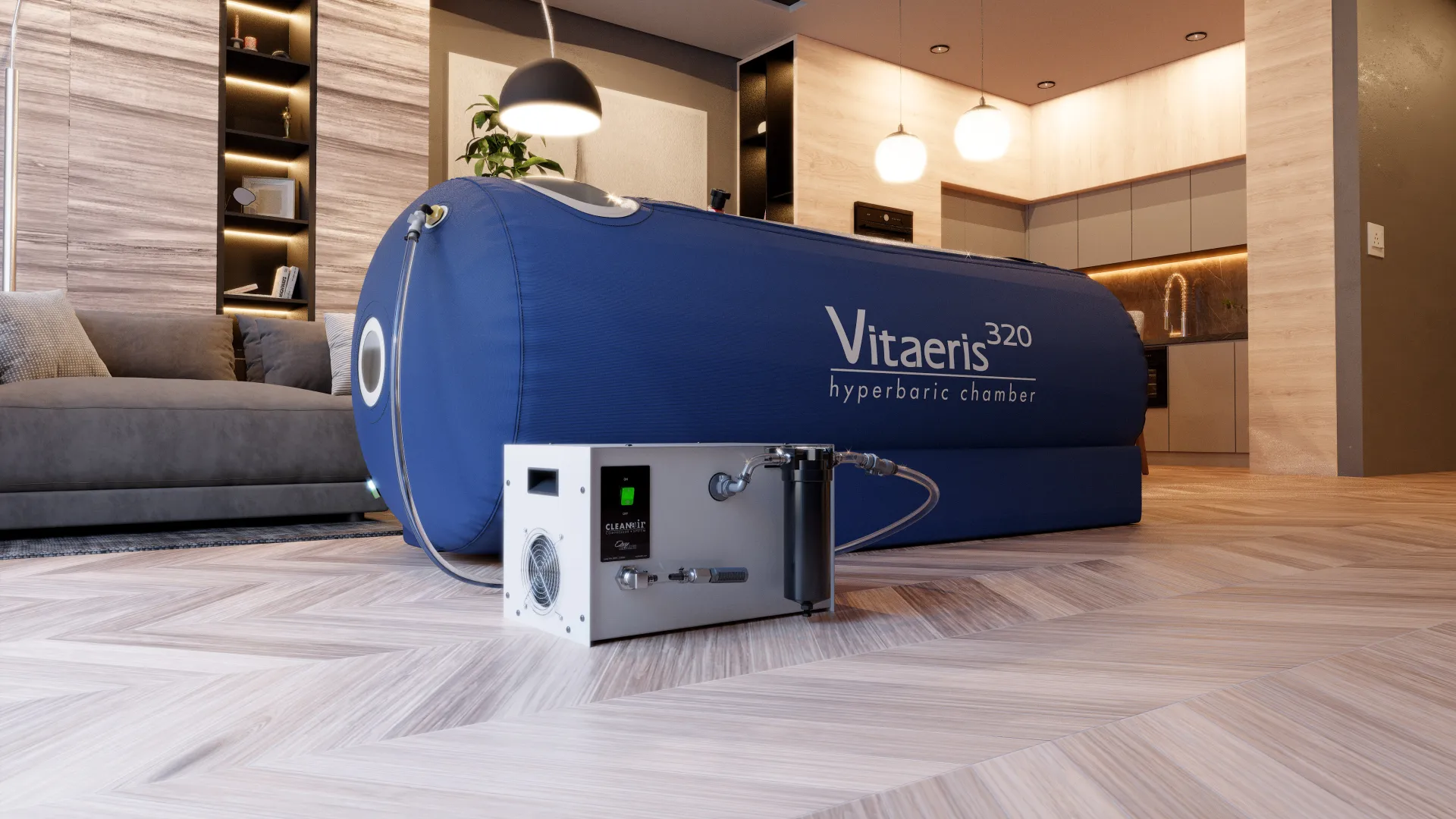
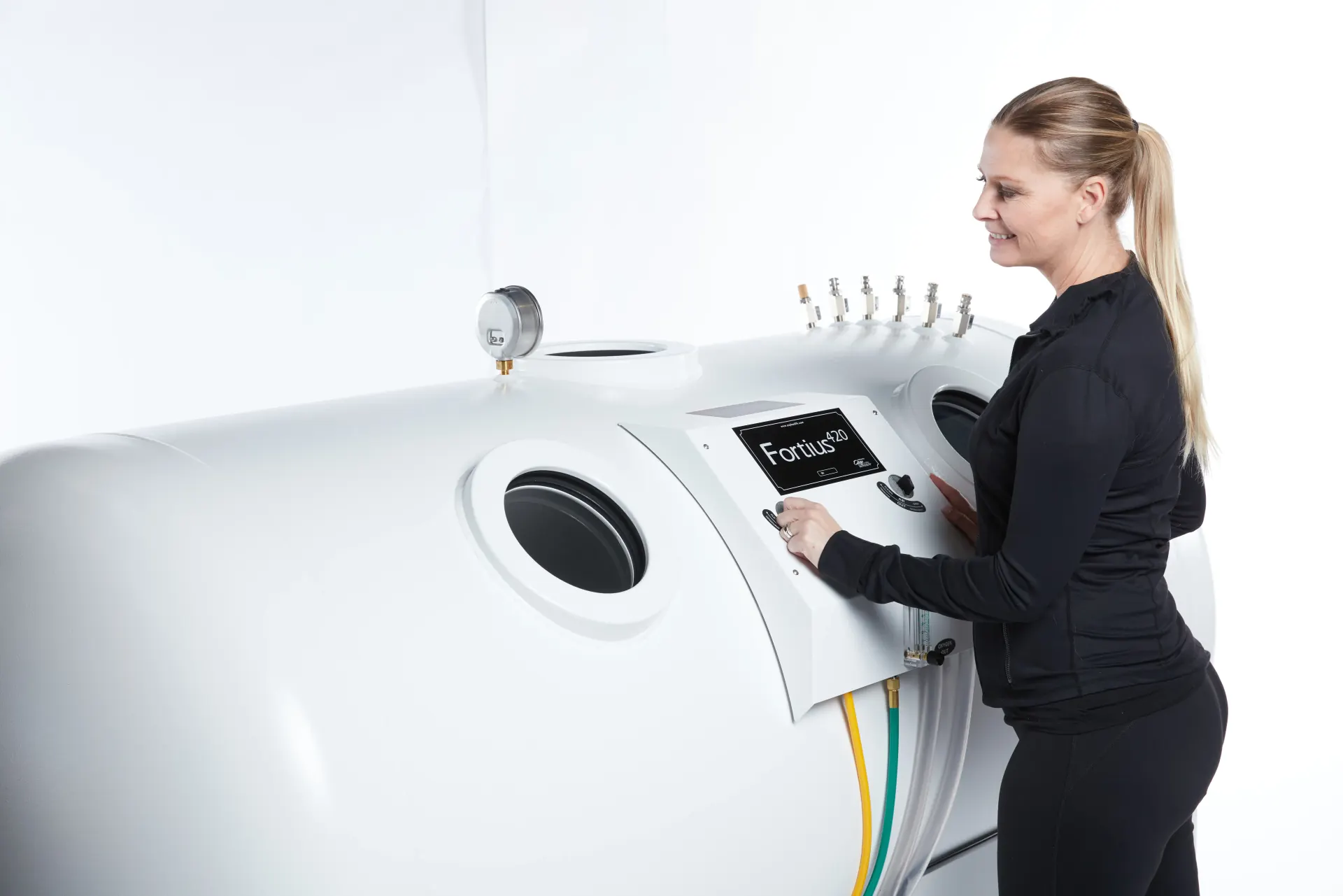
The product page says 1.3 ATA. The company's comparison page says "Up to 1.5 ATA." The same chamber, two pressures. That is exactly the kind of thing to ask about before you spend five figures.
How it works
From confusion to the right machine in three steps.
Read the research and the audits
The studies, plainly summarized. Specs straight from the manufacturer, claims quoted, discrepancies flagged.
Book a 15-minute call
Tell us your goals, space and budget. No pressure, no script.
Get pointed to the right chamber
A short list that fits you, and the questions to ask before you buy.
Not all chambers are created equal.
Fifteen minutes can save you from the wrong five-figure purchase.
Book your 15-minute callFollow along
New studies, chamber audits and what we're learning, as we publish them.